
11 Ways Industrial Engineering Staffing Agencies Support Business Growth
Finding skilled industrial engineering professionals has become one of the biggest challenges for manufacturers, logistics companies, construction recruiters, and industrial businesses across the United States.
An experienced Industrial Engineering Staffing Agencies helps companies solve this problem by connecting them with qualified engineers, production specialists, and technical professionals who improve productivity, reduce waste, and support operational growth.
In today’s competitive market, businesses cannot afford long hiring delays, production downtime, or skill shortages.
That is why more organizations are turning to industrial staffing services for faster hiring, workforce flexibility, and long-term operational success.
What Is an Industrial Engineering Staffing Agency?
An industrial engineering staffing agency specializes in recruiting, screening, and placing industrial engineering professionals in manufacturing, logistics, production, construction, and industrial environments.
These agencies help businesses fill technical positions quickly with skilled professionals who understand industrial processes, operational efficiency, quality control, and production systems.
Industrial engineering recruiters act as a bridge between employers and qualified engineering talent. Instead of spending months searching for candidates, businesses gain access to pre-screened professionals who are ready to contribute immediately.
Think of an industrial engineering staffing agency like a skilled mechanic for workforce problems. When production slows down or labor shortages create pressure, the staffing agency helps repair operational gaps by delivering the right talent at the right time.
Types of Industrial Engineering Roles Companies Hire For
Industrial Engineers
Industrial engineers play a critical role in improving operational performance. They analyze workflows, reduce production waste, increase efficiency, and help companies optimize labor, equipment, and resources to maximize productivity.
Process Engineers
Process engineers design and improve manufacturing systems that enhance operational efficiency and reduce production costs. They focus on streamlining processes, minimizing downtime, and improving overall system performance.
Manufacturing Engineers
Manufacturing engineers oversee production systems, machinery, and operational processes. They work to improve equipment performance, increase production output, and support continuous operational improvements across manufacturing facilities.
Production Supervisors
Production supervisors manage day-to-day manufacturing operations, coordinate production teams, monitor workflow performance, and ensure operational goals, deadlines, and safety standards are consistently achieved.
Quality Engineers
Quality engineers maintain product quality, regulatory compliance, and process consistency. They identify defects, implement quality control procedures, and help companies maintain high manufacturing standards.
Supply Chain Engineers
Supply chain engineers optimize logistics, inventory management, transportation systems, and distribution processes. Their expertise helps businesses improve supply chain efficiency, reduce operational costs, and maintain smooth production flow.
Industrial staffing services help businesses hire skilled engineering professionals who strengthen operations, improve productivity, and support long-term manufacturing growth.
Why Companies Need an Industrial Engineering Staffing Agency
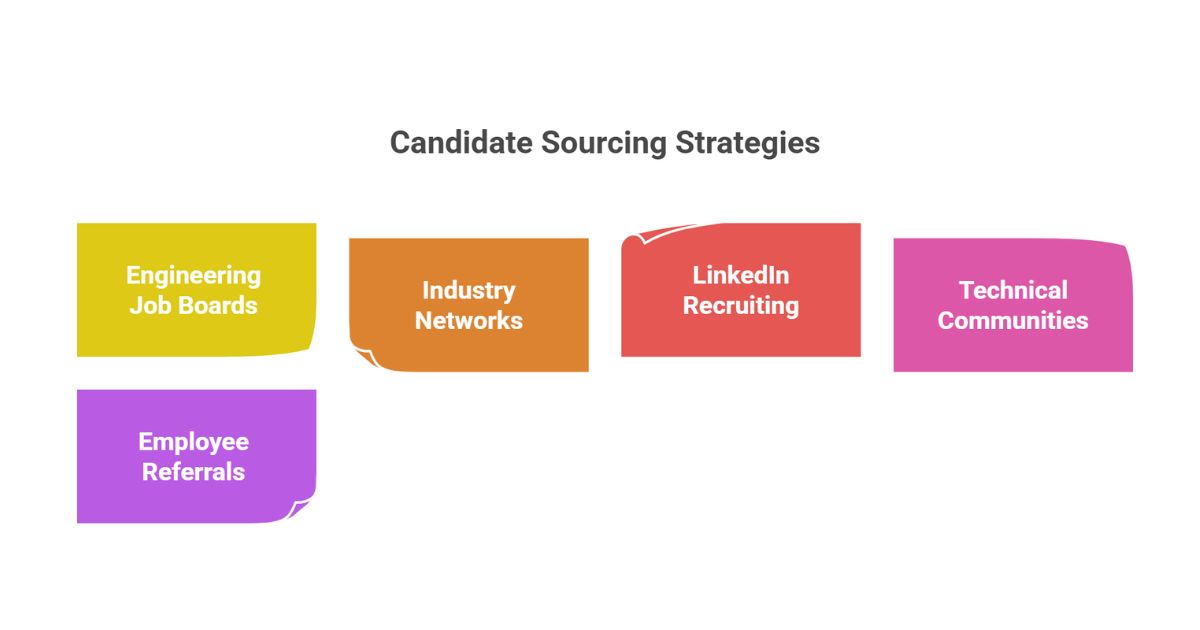
The demand for industrial engineering talent continues to rise as industries adopt automation, advanced manufacturing systems, robotics, and data-driven operations. Unfortunately, many companies struggle to find experienced engineers fast enough to support business growth.
Rising Demand for Skilled Industrial Engineers
Manufacturing facilities are becoming smarter and more technology-driven. Companies need professionals who understand lean manufacturing, automation systems, robotics integration, production planning, and operational efficiency.
As Industry 4.0 expands, industrial engineering recruitment has become highly competitive. Skilled engineers often receive multiple job offers, making hiring more difficult for employers.
Challenges of Hiring Industrial Engineering Talent In-House
Hiring internally takes time, money, and resources. HR teams often struggle with:
- Long recruitment cycles
- Limited candidate pools
- Technical skill evaluation
- High advertising costs
- Interview scheduling delays
- Candidate drop-offs
Industrial engineering staffing agencies simplify this process by handling sourcing, screening, and recruitment management.
Labor Shortages in Manufacturing & Industrial Sectors
Many industries face growing workforce shortages due to retiring workers, skill gaps, and increased production demand. Finding qualified engineering professionals has become harder than ever.
Without enough skilled employees, companies risk:
- Production delays
- Quality issues
- Employee burnout
- Missed deadlines
- Increased overtime costs
Reducing Downtime and Productivity Loss
Production downtime can cost thousands of dollars per hour. Staffing agencies help businesses maintain productivity by quickly filling critical engineering and operational roles.
BluebixInc supports industrial businesses by providing workforce solutions that reduce hiring delays and improve operational continuity.
Key Benefits of Working With an Industrial Engineering Staffing Agency
Faster Hiring Process
Staffing agencies maintain active databases of qualified engineering professionals. Instead of starting recruitment from scratch, businesses gain immediate access to candidates who are already screened and ready for placement.
This significantly reduces time-to-hire.
Access to Pre-Screened Engineering Talent
Engineering recruiters evaluate:
- Technical skills
- Certifications
- Industry experience
- Software knowledge
- Communication abilities
- Leadership capabilities
This saves employers valuable time during the hiring process.
Reduced Recruitment Costs
Hiring mistakes are expensive. A poor engineering hire can impact productivity, quality, and operational efficiency.
Industrial staffing agencies reduce recruitment risks by carefully screening candidates before placement.
Flexible Staffing Options
Temporary Staffing
Ideal for seasonal demand, shutdowns, or project surges.
Contract Staffing
Best for short-term technical projects.
Direct Hire Staffing
Perfect for long-term workforce stability.
Flexible staffing solutions help businesses adapt quickly to changing production needs.
Improved Productivity and Operational Efficiency
Skilled engineers improve workflows, reduce bottlenecks, and increase operational performance. Staffing agencies help companies secure professionals who can deliver measurable improvements quickly.
Industry-Specific Expertise
Industrial engineering recruiters understand manufacturing environments, technical certifications, compliance requirements, and operational challenges. This industry knowledge improves hiring accuracy.
Workforce Scalability During Peak Production
Production demands can change rapidly. Staffing agencies help businesses scale their workforce without long hiring delays.
Like adding extra engines to a moving train, staffing support helps companies maintain momentum during periods of rapid growth.
Industries That Benefit From Industrial Engineering Staffing Services
Manufacturing Industry
Manufacturing companies rely heavily on industrial engineering professionals to improve operational efficiency, reduce production waste, and maintain consistent product quality. Industrial engineers help optimize workflows, improve equipment utilization, streamline production processes, and support lean manufacturing initiatives.
They also play an important role in reducing downtime, increasing productivity, and improving overall manufacturing performance.
Automotive Industry
The automotive industry depends on skilled industrial engineers to manage complex manufacturing systems, robotics integration, assembly line optimization, and supply chain coordination. Automotive manufacturers need professionals who understand lean manufacturing principles, automation technologies, quality control systems, and production planning.
Industrial engineering staffing helps automotive companies maintain efficiency while meeting strict production and safety standards.
Aerospace & Defense
Aerospace and defense companies require highly specialized engineering talent with experience in compliance, precision manufacturing, quality assurance, and operational safety. Industrial engineers in this sector help improve production efficiency, maintain regulatory standards, optimize manufacturing systems, and support large-scale engineering projects.
Because of the technical complexity of the industry, companies need professionals with advanced technical knowledge and strong problem-solving capabilities.
Construction & Infrastructure
Construction and infrastructure companies hire industrial engineering professionals to improve project planning, resource allocation, workflow management, and operational efficiency. Industrial engineers help reduce project delays, improve labor productivity, optimize equipment usage, and support cost-effective project execution.
Their expertise helps construction firms maintain better coordination across large infrastructure and development projects.
Logistics & Supply Chain
Logistics and supply chain companies use industrial engineers to optimize transportation systems, warehouse operations, inventory management, and distribution processes. These professionals help improve supply chain efficiency, reduce operational costs, increase delivery accuracy, and streamline logistics operations.
Industrial engineering staffing supports businesses that need skilled professionals to manage growing supply chain complexity and operational demands.
Energy & Utilities
Energy and utility companies rely on industrial engineering staffing to support maintenance planning, operational performance, infrastructure management, and system optimization.
Industrial engineers help improve facility efficiency, reduce operational risks, support equipment reliability, and enhance workforce productivity.
Their expertise is especially valuable in industries where operational continuity and safety are critical.
Electronics & Semiconductor Manufacturing
Electronics and semiconductor manufacturers require highly specialized engineering professionals to support precision manufacturing, automation systems, quality control, and advanced production technologies.
Industrial engineers help improve manufacturing accuracy, maintain production consistency, optimize cleanroom operations, and support high-tech production environments.
As technology manufacturing continues evolving, demand for skilled engineering talent in this sector continues to grow.
Types of Industrial Engineering Staffing Solutions
Temporary Engineering Staffing
Temporary staffing helps businesses handle:
- Seasonal production increases
- Equipment installations
- Shutdown projects
- Operational emergencies
Contract-to-Hire Staffing
This model allows companies to evaluate candidates before offering permanent employment.
It reduces hiring risks while improving workforce compatibility.
Permanent Placement Services
Direct hire staffing focuses on long-term recruitment solutions for critical engineering positions.
Project-Based Engineering Recruitment
Large industrial projects often require specialized engineering talent for limited durations.
Staffing agencies help companies secure project-specific professionals quickly.
Executive Search for Engineering Leadership Roles
Industrial staffing agencies also recruit:
- Plant Managers
- Operations Directors
- Engineering Managers
- Supply Chain Leaders
Leadership hiring requires deeper evaluation and industry expertise.
How Industrial Engineering Staffing Agencies Find Top Talent
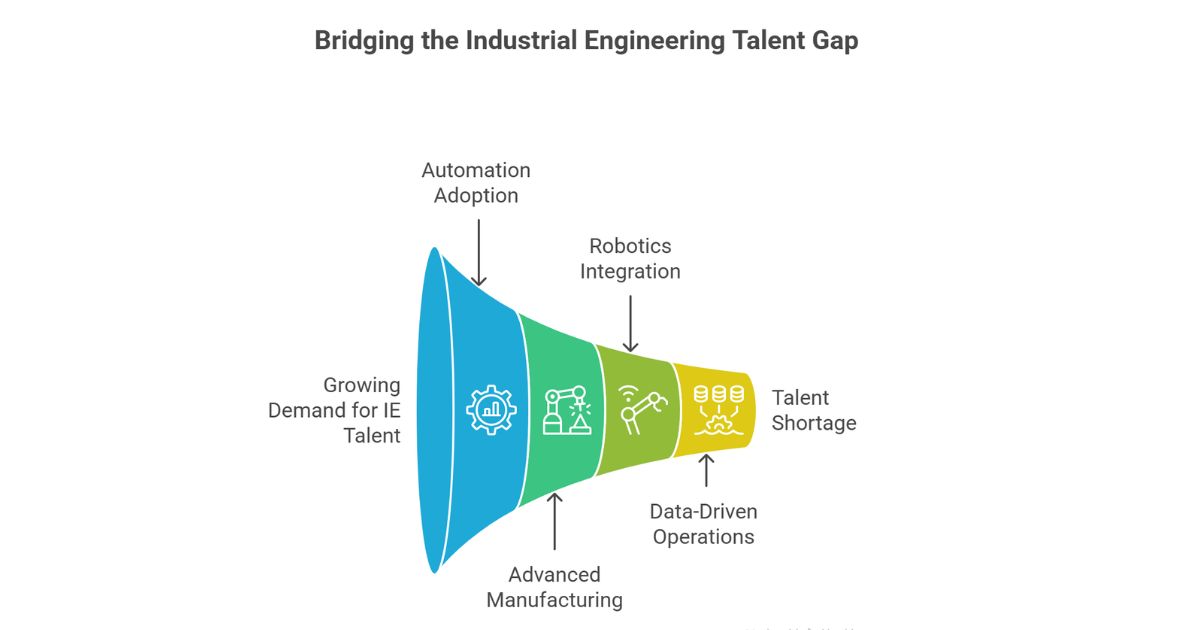
Candidate Sourcing Strategies
Recruiters use:
- Engineering job boards
- Industry networks
- LinkedIn recruiting
- Technical communities
- Employee referrals
Technical Skill Assessments
Candidates are evaluated for:
- CAD software knowledge
- Lean manufacturing expertise
- Automation systems
- Project management
- Quality control skills
Background Verification & Compliance Checks
Staffing agencies verify:
- Employment history
- Certifications
- Education
- Compliance records
Industry Certifications & Qualification Screening
Common certifications include:
- Six Sigma
- PMP
- OSHA
- Lean Manufacturing
- Quality Engineering certifications
Passive Candidate Recruitment Strategies
Many top engineering professionals are not actively job searching. Recruiters use relationship-building strategies to attract passive candidates.
AI & Technology in Engineering Recruitment
Modern staffing agencies use AI recruitment tools to:
- Match candidates faster
- Analyze skills
- Improve hiring accuracy
- Predict workforce trends
What to Look for in an Industrial Engineering Staffing Agency
Industry Experience and Expertise
Choose agencies with proven industrial recruitment experience.
Proven Hiring Success Rate
Review:
- Client testimonials
- Placement success
- Retention rates
- Case studies
Talent Network Strength
A strong staffing agency maintains access to qualified engineering talent across multiple industries.
Recruitment Speed and Communication
Fast communication improves hiring efficiency and candidate engagement.
Compliance and Workforce Standards
Ensure the agency follows:
- Labor regulations
- Safety standards
- Employment compliance
Client Reviews and Case Studies
Real-world success stories demonstrate recruitment effectiveness.
Scalable Workforce Solutions
Your staffing partner should support both short-term and long-term workforce growth.
BluebixInc provides scalable industrial staffing solutions designed to support operational efficiency and workforce stability.
How Industrial Engineering Staffing Improves Workforce Planning
Managing Seasonal Production Demand
Production demand often changes throughout the year. Staffing agencies help businesses adjust workforce levels without operational disruption.
Reducing Employee Burnout
Labor shortages often increase overtime pressure on existing employees. Staffing support helps reduce burnout and improve morale.
Workforce Forecasting Strategies
Industrial staffing partners help companies forecast future labor needs based on:
- Production schedules
- Expansion plans
- Market demand
- Operational goals
Building a Future-Ready Engineering Team
Modern industries require adaptable employees with technical and analytical skills.
Improving Employee Retention
Better hiring processes improve long-term retention and reduce turnover costs.
Common Hiring Challenges in Industrial Engineering Recruitment
Hiring qualified industrial engineering professionals has become increasingly challenging for manufacturing, logistics, construction, and industrial companies.
As industries continue adopting automation, robotics, and advanced production technologies, the demand for skilled engineers continues to rise. However, the available talent pool often cannot keep pace with industry needs.
Below are some of the most common hiring challenges companies face in industrial engineering recruitment.
Shortage of Specialized Engineering Talent
One of the biggest recruitment challenges is finding engineers with specialized technical expertise and real-world industrial experience.
Many companies need professionals who understand lean manufacturing, process optimization, automation systems, quality control, and supply chain operations.
The problem is that highly skilled engineers are limited in number, especially in industries requiring advanced technical knowledge. Many experienced professionals are nearing retirement, while newer graduates may lack hands-on experience in industrial environments.
This shortage often leads to:
- Longer hiring timelines
- Increased workload for existing teams
- Delayed production schedules
- Reduced operational efficiency
Industrial engineering staffing agencies help businesses access larger talent networks and connect with qualified professionals faster.
Competition for Experienced Engineers
Experienced industrial engineers are in high demand across multiple industries, including manufacturing, automotive, aerospace, logistics, and energy. Because of this, top candidates often receive multiple job offers within a short time.
Companies that move slowly during recruitment may lose strong candidates to competitors offering faster hiring processes, better compensation, or stronger career opportunities.
Today’s engineering professionals also evaluate:
- Career growth potential
- Company culture
- Leadership quality
- Training opportunities
- Workplace flexibility
To stay competitive, businesses must improve hiring speed, communication, and overall candidate experience.
Long Recruitment Cycles
Industrial engineering recruitment usually takes longer than standard hiring because technical positions require deeper evaluation.
Employers often need to assess:
- Technical knowledge
- Industry experience
- Certifications
- Problem-solving abilities
- Software proficiency
- Leadership skills
Many companies use multiple interview rounds, technical assessments, and team evaluations before making hiring decisions. While these steps are important, they can significantly delay recruitment.
Long hiring cycles can create several operational problems, including:
- Production delays
- Increased overtime costs
- Employee burnout
- Missed project deadlines
Staffing agencies help reduce recruitment timelines by pre-screening candidates and delivering qualified professionals ready for placement.
Retention Challenges
Hiring skilled engineers is only part of the challenge. Keeping them long-term is equally important.
Many companies struggle with retention due to:
- High workloads
- Limited advancement opportunities
- Burnout
- Poor workplace culture
- Lack of professional development
When experienced engineers leave, businesses often face productivity loss, increased hiring costs, and operational disruption.
To improve retention, companies should focus on:
- Competitive salaries
- Career development programs
- Positive work environments
- Employee recognition
- Training and upskilling opportunities
A strong retention strategy helps businesses maintain workforce stability and reduce turnover costs.
Skill Gaps in Modern Manufacturing
Manufacturing technologies continue evolving rapidly. Automation, robotics, artificial intelligence, and smart manufacturing systems now play a major role in industrial operations.
As a result, many companies face skill gaps in areas such as:
- Robotics systems
- Automation technologies
- Industrial data analysis
- Predictive maintenance
- Smart manufacturing software
Some workers may not have the updated technical skills needed to operate modern systems effectively. At the same time, newer graduates may lack practical industry experience.
These skill gaps can reduce productivity, slow digital transformation, and create operational inefficiencies.
Industrial engineering staffing agencies help companies find professionals with updated technical expertise and industry-specific experience to support modern manufacturing operations.
Technology Trends Transforming Industrial Engineering Staffing
Technology is changing how industrial engineering staffing agencies recruit, evaluate, and place engineering professionals.
Modern manufacturing and industrial operations now depend heavily on automation, digital systems, robotics, and data-driven decision-making. As industries evolve, staffing strategies must also adapt to meet new workforce demands.
Today, companies need engineers with both technical expertise and the ability to work with advanced manufacturing technologies. At the same time, recruiters are using modern hiring tools to improve recruitment speed, candidate quality, and workforce planning.
Below are some of the key technology trends transforming industrial engineering staffing.
Automation in Recruitment
Automation has significantly improved the recruitment process for industrial engineering staffing agencies. Many repetitive hiring tasks that once required manual effort can now be completed faster through automated systems.
Recruiters use automation tools to:
- Screen resumes
- Organize candidate databases
- Schedule interviews
- Track applications
- Send follow-up communication
- Manage hiring workflows
This reduces administrative workload and allows recruiters to focus more on candidate quality and relationship building.
For companies, automation helps speed up hiring timelines and improves overall recruitment efficiency. Instead of spending weeks reviewing applications manually, recruiters can quickly identify qualified engineering professionals based on specific job requirements.
Automation also improves consistency in the hiring process by reducing human error and ensuring candidates move through recruitment stages more efficiently.
AI-Powered Candidate Matching
Artificial intelligence is becoming an important part of industrial engineering recruitment. AI-powered systems help staffing agencies identify candidates who closely match a company’s technical and operational needs.
These systems analyze factors such as:
- Technical skills
- Industry experience
- Certifications
- Software knowledge
- Job history
- Project experience
- Industry fit
AI helps recruiters process large numbers of applications more efficiently while improving candidate matching accuracy.
For example, if a manufacturing company needs an engineer experienced in robotics automation and lean manufacturing, AI systems can quickly identify candidates with those exact qualifications.
This improves:
- Hiring speed
- Candidate quality
- Recruitment accuracy
- Workforce alignment
However, human recruiters still play a critical role in evaluating communication skills, leadership ability, and cultural fit.
AI supports recruitment decisions, but it does not replace experienced recruiters.
Remote Hiring and Virtual Interviews
Remote hiring has become more common in industrial engineering recruitment. Many companies now use virtual interviews and digital hiring platforms to connect with candidates across different locations.
Virtual recruitment helps businesses:
- Access a larger talent pool
- Reduce hiring delays
- Lower travel costs
- Improve scheduling flexibility
- Recruit nationwide talent
This is especially helpful for companies located in areas with limited local engineering talent.
Video interviews, online technical assessments, and digital onboarding systems allow staffing agencies to recruit skilled professionals more efficiently without requiring in-person meetings during early hiring stages.
Remote hiring also helps engineering professionals explore opportunities in different regions without immediate relocation commitments.
As industrial businesses continue expanding nationally, virtual recruitment will remain an important part of modern staffing strategies.
Data-Driven Workforce Analytics
Workforce analytics helps companies make smarter staffing and operational decisions. Staffing agencies and employers now use workforce data to better understand hiring trends, productivity levels, turnover risks, and future workforce needs.
Data-driven insights help businesses:
- Forecast labor demand
- Identify skill shortages
- Improve workforce planning
- Reduce turnover
- Optimize staffing budgets
- Improve recruitment strategies
For example, workforce analytics may show that a manufacturing facility experiences increased labor demand during certain production cycles. Companies can use this information to prepare staffing plans in advance and avoid operational disruptions.
Analytics also help staffing agencies track:
- Time-to-hire
- Candidate success rates
- Employee retention
- Hiring performance
This allows businesses to continuously improve recruitment efficiency and workforce management.
Smart Manufacturing Workforce Needs
The rise of Industry 4.0 is changing the skills companies expect from industrial engineering professionals. Modern manufacturing environments now rely heavily on:
- Automation systems
- Robotics
- Internet of Things (IoT) technology
- Artificial intelligence
- Smart production systems
- Predictive maintenance tools
- Advanced manufacturing software
As a result, businesses need engineers who can work with both traditional manufacturing systems and modern digital technologies.
Industrial engineers today are expected to understand:
- Robotics integration
- Data analysis
- Process automation
- Smart factory operations
- Industrial software systems
- Digital production optimization
This shift is increasing demand for highly skilled engineering professionals with updated technical expertise.
Industrial engineering staffing agencies play an important role in helping companies find talent capable of supporting modern manufacturing operations and long-term digital transformation goals.
How an Industrial Engineering Staffing Agency Supports Business Growth
Business growth depends heavily on having the right workforce in place. For manufacturing companies, logistics providers, construction firms, and industrial businesses, skilled engineering professionals play a major role in improving productivity, managing operations, and supporting long-term expansion.
However, finding qualified industrial engineering talent quickly can be difficult. Hiring delays, labor shortages, and skill gaps can slow operations and limit growth opportunities. This is where an industrial engineering staffing agency provides value.
Industrial engineering staffing agencies help businesses build stronger engineering teams, improve workforce flexibility, and maintain operational efficiency during both stable and high-growth periods.
Below are some of the key ways industrial engineering staffing agencies support business growth.
Improving Operational Efficiency
Operational efficiency is one of the biggest priorities for industrial businesses. Companies need production systems that run smoothly, minimize waste, and maintain consistent output.
Skilled industrial engineers help improve:
- Production workflows
- Process efficiency
- Equipment utilization
- Quality control
- Labor productivity
- Supply chain coordination
When businesses hire experienced engineering professionals, they can identify operational bottlenecks, reduce downtime, and improve overall performance.
For example, a manufacturing engineer may redesign a production process to reduce material waste and increase output speed. A process engineer may improve workflow layouts to reduce unnecessary movement and improve productivity.
Industrial engineering staffing agencies help companies quickly access professionals with the technical expertise needed to improve operations without long recruitment delays.
This allows businesses to maintain efficiency while focusing on production goals and customer demands.
Supporting Expansion Projects
As companies grow, they often need additional engineering support to manage new facilities, increased production demands, equipment upgrades, or expansion projects.
Business expansion may involve:
- Opening new manufacturing plants
- Expanding production lines
- Launching new products
- Upgrading automation systems
- Increasing warehouse capacity
- Improving supply chain operations
These projects require experienced engineers who can manage planning, implementation, and operational integration.
Hiring internally for expansion projects can take time, especially when specialized engineering expertise is required. Staffing agencies help businesses scale operations faster by providing access to qualified professionals during critical growth periods.
This flexibility allows companies to increase workforce capacity without disrupting ongoing operations.
Industrial engineering staffing agencies also support project-based staffing needs, helping businesses bring in specialized talent for temporary or large-scale operational initiatives.
Accelerating Production Timelines
Production delays can impact revenue, customer satisfaction, and operational performance. One major cause of delays is workforce shortages, especially in technical engineering roles.
When key engineering positions remain unfilled, companies may experience:
- Slower production schedules
- Equipment downtime
- Delayed maintenance
- Reduced operational efficiency
- Missed project deadlines
Industrial engineering staffing agencies help reduce these risks by delivering qualified candidates faster.
Because staffing agencies maintain active talent networks, they can often fill critical positions more quickly than traditional hiring methods. This helps companies avoid operational bottlenecks and maintain production continuity.
Fast hiring becomes especially important during:
- Seasonal demand increases
- Facility expansions
- Large production projects
- Equipment installations
- Operational emergencies
By reducing recruitment timelines, staffing agencies help businesses maintain productivity and keep projects moving forward efficiently.
Enhancing Competitive Advantage
In highly competitive industries, businesses must continuously improve operations, productivity, and innovation to stay ahead.
Strong engineering teams help companies:
- Improve manufacturing efficiency
- Reduce operational costs
- Increase product quality
- Implement advanced technologies
- Improve supply chain performance
- Support automation initiatives
Businesses with skilled engineering professionals are often better prepared to adapt to changing market demands and technological advancements.
Industrial engineering staffing agencies help companies remain competitive by providing access to professionals with specialized technical expertise and industry experience.
This becomes especially important as industries adopt:
- Automation systems
- Robotics
- Smart manufacturing technologies
- AI-driven production systems
- Advanced logistics operations
Companies that build strong engineering teams are better positioned to improve performance, increase scalability, and respond quickly to operational challenges.
Long-Term Workforce Stability
Sustainable business growth requires long-term workforce stability. Frequent employee turnover, hiring delays, and skill shortages can create operational disruptions and reduce productivity.
Industrial engineering staffing agencies help businesses build stable engineering teams by supporting:
- Workforce planning
- Long-term recruitment strategies
- Candidate quality improvement
- Retention-focused hiring
- Scalable staffing solutions
Consistent recruitment support allows companies to prepare for future workforce needs while maintaining operational continuity.
Staffing agencies also help businesses adapt to workforce changes more effectively by providing flexible staffing options during periods of growth or transition.
When companies maintain stable engineering teams, they benefit from:
- Stronger operational consistency
- Better employee collaboration
- Reduced turnover costs
- Improved productivity
- Greater long-term efficiency
A reliable staffing partner helps businesses maintain workforce strength while supporting continued operational and financial growth.
Why Blue-Collar and Engineering Recruitment Must Work Together
Modern industrial operations depend on both skilled engineering professionals and reliable blue-collar workers.
While engineers design processes, improve systems, and manage operational efficiency, production workers are responsible for executing daily operations on the manufacturing floor.
Both groups play equally important roles in maintaining productivity, product quality, and operational performance.
Engineering teams and production workers operate like gears inside a machine. If one part slows down or fails to function properly, the entire operation can suffer.
A company may have highly skilled engineers and advanced production systems, but without enough trained workers to support operations, productivity can decline quickly. The same applies when production teams are strong, but engineering support is lacking.
This is why blue-collar and engineering recruitment must work together as part of a unified workforce strategy.
Coordination Between Engineers and Production Teams
Successful industrial operations require close collaboration between engineers and production staff.
Engineers develop workflows, production systems, maintenance plans, and operational improvements, while blue-collar employees handle machine operation, assembly, logistics, maintenance support, and day-to-day production activities.
When these teams work together effectively, companies benefit from:
- Smoother production processes
- Faster problem-solving
- Better communication
- Improved safety
- Higher productivity
- Reduced downtime
For example, if a manufacturing engineer introduces a new production process, machine operators and technicians must understand how to apply it correctly on the production floor.
Without proper coordination, operational delays and quality issues may occur.
Strong communication between technical and operational teams helps businesses maintain efficiency and reduce workflow disruptions.
Industrial staffing agencies support this coordination by helping companies recruit professionals who can work effectively within team-based manufacturing environments.
Building High-Performance Manufacturing Operations
High-performing industrial operations require balanced workforce planning. Companies cannot focus only on engineering recruitment while ignoring production staffing needs.
A manufacturing facility operates most efficiently when:
- Engineers improve systems and workflows
- Production teams execute operations effectively
- Maintenance staff support equipment reliability
- Supervisors coordinate operational performance
Integrated staffing strategies help businesses build stronger operational structures where technical and production teams support each other.
When recruitment efforts are aligned, companies often experience:
- Better production efficiency
- Reduced operational bottlenecks
- Improved workforce communication
- Higher product quality
- Stronger employee collaboration
For example, during production expansion projects, companies may need both process engineers and skilled machine operators simultaneously. Hiring only one side of the workforce can create an operational imbalance.
Industrial engineering staffing agencies and blue-collar recruitment teams work together to help businesses maintain workforce alignment across all operational levels.
Integrated Workforce Strategies
Integrated workforce strategies combine engineering recruitment and blue-collar staffing into a single operational approach. Instead of hiring departments separately, businesses create workforce plans that support the entire production ecosystem.
This approach improves:
- Workforce planning
- Operational scalability
- Recruitment efficiency
- Employee retention
- Long-term productivity
Integrated recruitment strategies are especially important in industries such as:
- Manufacturing
- Automotive
- Aerospace
- Logistics
- Construction
- Energy and utilities
These industries depend heavily on collaboration between technical professionals and operational staff.
Industrial staffing agencies help businesses develop workforce solutions that support both engineering and production hiring needs. This creates stronger workforce ecosystems capable of supporting long-term operational growth and business stability.
Future of Industrial Engineering Staffing Services
Industrial engineering staffing services are evolving rapidly as industries adopt new technologies, modern production systems, and advanced workforce strategies.
Manufacturing, logistics, construction, energy, and industrial sectors are becoming more technology-driven, increasing the demand for highly skilled engineering professionals.
As workforce needs continue changing, companies must adapt their hiring strategies to remain competitive, productive, and operationally efficient.
Industrial engineering staffing agencies are expected to play an even larger role in helping businesses manage workforce challenges, fill skill gaps, and support long-term growth.
Below are some of the key trends shaping the future of industrial engineering staffing services.
Evolving Manufacturing Technologies
Manufacturing technologies continue advancing at a rapid pace. Automation, robotics, artificial intelligence, smart factories, and Internet of Things (IoT) systems are transforming how industrial operations function.
Modern production facilities now rely heavily on:
- Automated production lines
- Robotics systems
- Real-time production monitoring
- Predictive maintenance tools
- Smart manufacturing software
- Data-driven operational systems
As these technologies become more common, companies need engineering professionals who can manage, maintain, and improve advanced manufacturing systems.
Traditional engineering roles are also changing. Engineers are no longer focused only on mechanical systems and production workflows. Many positions now require knowledge of:
- Automation systems
- Industrial software
- Data analysis
- Digital manufacturing technologies
- Smart factory integration
This shift is increasing demand for technically advanced engineering talent across multiple industries.
Industrial engineering staffing agencies help businesses adapt to these changes by connecting them with professionals who understand modern industrial technologies and evolving operational requirements.
Demand for Multi-Skilled Engineers
The future workforce will require engineers with a broader combination of technical, analytical, and leadership skills.
Today’s industrial engineers are expected to do more than manage production systems. Many companies now look for professionals who can:
- Analyze operational data
- Lead cross-functional teams
- Improve supply chain efficiency
- Support automation projects
- Manage production planning
- Solve complex operational problems
- Communicate effectively with technical and non-technical teams
Employers increasingly value engineers who can combine technical expertise with strategic thinking and leadership abilities.
For example, an industrial engineer may be responsible for improving workflow efficiency while also helping implement automation systems and training production teams on new operational processes.
As industries become more interconnected, businesses will continue prioritizing multi-skilled engineering professionals who can adapt to changing operational environments.
Industrial engineering staffing agencies help employers identify candidates with both technical qualifications and practical problem-solving abilities.
Sustainable Manufacturing Workforce Trends
Sustainability is becoming a major focus across industrial sectors. Many companies are working to reduce waste, improve energy efficiency, lower operational costs, and meet environmental regulations.
As a result, businesses increasingly seek engineering professionals who understand:
- Sustainable manufacturing practices
- Energy-efficient production systems
- Waste reduction strategies
- Environmental compliance
- Lean manufacturing principles
- Resource optimization
Industrial engineers now play an important role in helping companies improve operational sustainability while maintaining productivity and profitability.
For example, engineers may help manufacturers redesign workflows to reduce material waste or improve energy consumption during production processes.
Sustainable manufacturing initiatives also require companies to invest in long-term workforce development and modern operational strategies.
Industrial staffing agencies support these efforts by helping businesses recruit professionals with experience in sustainability-focused manufacturing and operational improvement.
As environmental standards continue evolving, demand for sustainability-focused engineering talent is expected to grow significantly.
The Growing Role of Staffing Agencies in Industrial Hiring
Industrial engineering staffing agencies are becoming increasingly important in workforce planning and industrial recruitment.
As labor shortages continue and technical hiring becomes more competitive, many businesses rely on staffing partners to help manage workforce challenges more efficiently.
Staffing agencies provide several advantages, including:
- Faster access to qualified talent
- Flexible staffing solutions
- Industry-specific recruitment expertise
- Reduced hiring timelines
- Workforce scalability
- Improved candidate screening
As industries continue evolving, companies need recruitment partners who understand both technical workforce requirements and changing market conditions.
Industrial staffing agencies are also using advanced recruitment technologies, workforce analytics, and AI-powered hiring tools to improve recruitment speed and candidate matching.
In the future, staffing agencies will likely play a larger role in:
- Workforce forecasting
- Skill gap analysis
- Long-term workforce planning
- Project-based staffing
- Specialized technical recruitment
Businesses that build strong partnerships with industrial engineering staffing agencies will be better positioned to adapt to workforce changes, maintain operational efficiency, and support long-term growth.
As modern industries continue advancing, the demand for skilled engineering professionals will remain high, making strategic staffing support an essential part of future industrial workforce management.
Conclusion
An industrial engineering staffing agency helps businesses solve one of today’s biggest operational challenges: finding qualified engineering talent quickly and efficiently.
From workforce planning and productivity improvements to project staffing and long-term recruitment, staffing agencies provide the flexibility and expertise modern industries need to stay competitive.
As manufacturing, logistics, energy, construction, and industrial sectors continue evolving, the demand for skilled engineering professionals will only increase. Businesses that build strong workforce partnerships today will position themselves for long-term success tomorrow.
BluebixInc helps companies connect with experienced engineering professionals who improve operational efficiency, strengthen workforce stability, and support sustainable growth.
Whether your organization needs temporary staffing, direct hire recruitment, or project-based engineering support, the right staffing partner can make a major difference in productivity and business performance.
Frequently Asked Questions
How quickly can an industrial engineering staffing agency fill open positions?
Most industrial engineering staffing agencies can provide qualified candidates within days, depending on the role, workforce availability, and project urgency.
Can industrial engineering staffing agencies provide temporary and permanent employees?
Yes. Agencies commonly offer temporary staffing, contract-to-hire solutions, and permanent direct hire recruitment services.
What qualifications do industrial engineering staffing agencies look for in candidates?
Recruiters evaluate technical skills, certifications, manufacturing experience, communication abilities, and leadership capabilities.
Why is industrial engineering recruitment becoming more competitive?
Automation, smart manufacturing, and operational efficiency demands have increased the need for skilled engineering professionals.
How do staffing agencies reduce hiring risks for manufacturing companies?
Agencies perform screening, skill assessments, background checks, and compliance verification before candidate placement.
Can industrial engineering staffing agencies help with urgent production demands?
Yes. Staffing agencies help businesses scale their workforce quickly during production surges and operational emergencies.
What industries benefit the most from industrial engineering staffing services?
Manufacturing, automotive, aerospace, logistics, construction, energy, and electronics industries benefit heavily from industrial staffing support.
How does workforce planning improve with engineering staffing support?
Staffing agencies help companies forecast labor needs, reduce overtime pressure, and improve workforce scalability.
What is the difference between direct hire and contract engineering staffing?
Direct hire focuses on permanent employees, while contract staffing provides temporary or project-based engineering professionals.
How can companies choose the best industrial engineering staffing agency?
Businesses should evaluate industry expertise, recruitment speed, workforce scalability, communication quality, and proven hiring success.
About the Author
BluebixInc Editorial Team
Staffing insights and workforce solutions for employers.